
Which materials genuinely recycle, how many moves a box really lasts, and where to send the whole lot when you have unpacked.

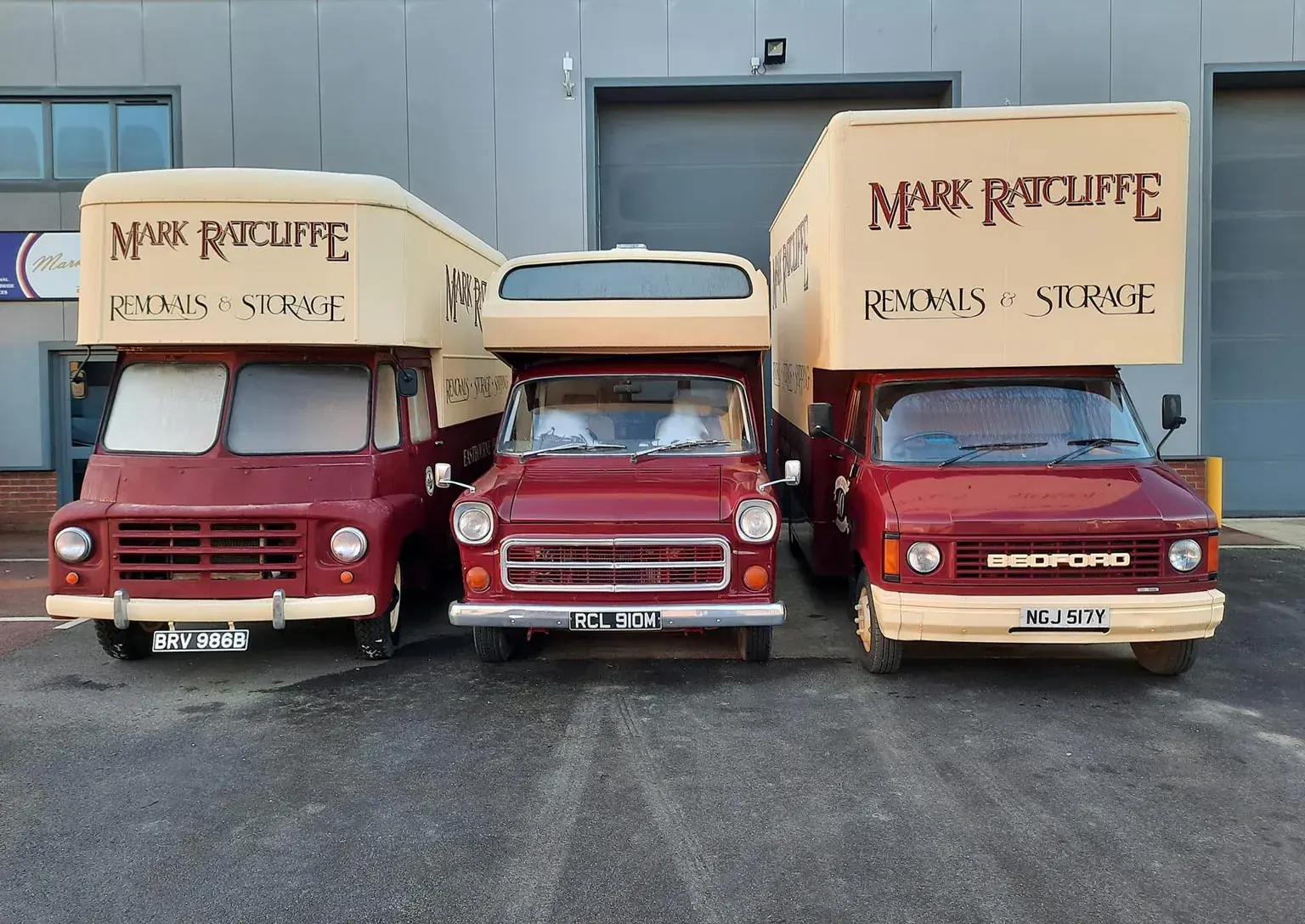
Eco-friendly packing materials are the part of a move a household actually chooses, buys and then has to get rid of. A three-bedroom move gets through something between a hundred and two hundred cartons plus the paper, tape and wrapping that go with them, and where all of that ends up depends far more on which grade and which type you bought than on good intentions on unpacking day. This page is only about materials and their afterlife.
We sell packing materials and we take cartons back, so we see both ends of this: what arrives, and what is still usable three months later. What follows is what we have learned about which materials survive, which recycle, and which quietly contaminate a whole load at the recycling centre.
Not all cartons are cardboard in the same sense. Single-wall has one fluted layer between two liners: light, cheap, fine for linen and lampshades, and it will bulge and fail under books. Double-wall has two flutes and two liners, which is what removal-grade cartons are made from and why they cost more. Triple-wall exists for heavy and awkward items and is effectively a crate made of paper.
The grade decides the working life. A double-wall removal carton, kept dry and taped rather than over-taped, will comfortably do three to five moves before the flaps soften and the corners round off. A supermarket single-wall box that arrived carrying tins will often manage one move, and sometimes not the stairs. This is the difference between a box that gets reused and a box that becomes recycling the same week.
Two enemies shorten that life more than anything else. Damp, because cardboard loses most of its strength wet and never fully recovers — a carton stored on a garage floor over winter is finished. And overfilling, which is really a weight problem: a book carton is small on purpose, and putting books in a large carton destroys both the box and somebody’s back. Second-hand double-wall cartons with life left in them go back out through our Lower Dicker packaging shop rather than into the card bale.
For wrapping breakables you have three realistic choices. Packing paper — plain newsprint without ink, sold in reams — is the traditional answer, recycles with ordinary paper, and works by being scrunched rather than by being clever. It takes more of it than people expect, and it is the material our own crews use on a full packing service.
Ordinary bubble wrap is polyethylene film. It protects well and it is not kerbside recyclable in most of the country: it belongs with carrier bags and bread bags in the soft-plastics collection that larger supermarkets run, not in the household recycling bin, where it fouls the sorting machinery. Its one real virtue is that it survives being used again, so it is worth flattening and keeping rather than binning.
The alternatives need reading carefully. Honeycomb or hexagonal paper wrap is a genuine like-for-like swap for bubble wrap and goes in with the card. Corn-starch loose fill dissolves in water and composts, which is fine, but it collapses under weight and is useless for cushioning anything heavy. “Biodegradable” plastic film is the one to be sceptical about: much of it requires industrial composting conditions that domestic waste never reaches, and mixed into a plastics stream it is a contaminant. Recyclable in a real facility beats biodegradable in a laboratory.
Tape is the smallest line on a materials order and the one that most often ruins the recycling. Standard polypropylene packing tape is plastic film with adhesive on it. Paper mills can tolerate a modest amount — the pulping process screens out plastic and adhesive as reject — but a carton wrapped like a parcel is a carton that arrives as more plastic than card.
Paper tape is the alternative. Self-adhesive kraft tape works on dry, clean cardboard and pulps with the box. Gummed paper tape, the kind you wet, bonds into the fibre and is stronger than the box it is sealing, which is why it is used for export cartons. Both mean the sealed carton goes into card recycling whole with nothing to strip off.
The practical rule either way is restraint: two strips along the seam and one across each end holds a properly packed carton. The habit of mummifying a box in tape usually signals that it is overloaded, and it guarantees that whoever unpacks it will tear the flaps getting in — which ends the box’s reusable life on its first outing. And if you do use plastic tape, run a blade down the seams and pull the tape off before the carton goes for recycling. It takes seconds per box.
A genuinely plastic-free pack is achievable for most households and it is worth knowing where the line falls. Cartons in double-wall board, paper tape, plain packing paper for crockery and glass, honeycomb paper wrap for the awkward items, and quilted blankets rather than film around furniture. Old towels, tea towels and bedding do the job of half the bubble wrap people buy, and they have to be moved anyway.
Three things are hard to do without. Mattress protection, where a paper bag is no match for a wet pavement and a plastic cover genuinely earns its place. Anything going into long-term storage, where the balance shifts towards keeping moisture out. And export packing, where goods spend weeks in a container crossing climate zones and the packing has to survive humidity, not just handling.
Everything else is habit. The reason bubble wrap dominates is that it is fast — a crew or a household under time pressure reaches for the roll. Paper takes longer and needs a technique, which is really the argument for starting the packing early rather than the argument for plastic. Our advice on packing fragile items covers the technique, and it works with paper.
Reuse beats recycling every time, because it skips the pulping, the transport and the remanufacture. The routes, roughly in order of how little effort they take:
Give them back to your remover. We collect empty cartons free of charge within our normal delivery range, inspect them, and put the sound ones back into circulation. It is the tidiest option and it costs you a phone call. Pass them to the next mover in the street — local Facebook groups, Nextdoor and the neighbourhood WhatsApp move boxes faster than any other channel, because somebody nearby is always three weeks from completion.
List them free on a reuse site. Freecycle, Freegle and the free sections of Facebook Marketplace or Gumtree will clear a stack of double-wall cartons within a day, especially bundled with the paper. Sell them. Used removal cartons hold their value better than people assume; a clean, flat-packed set of double-wall boxes is a real listing, not a joke one. Keep a dozen back for the loft, for whatever did not get unpacked, and for the next move.
Only then recycle. And flatten them properly first — a bin full of un-collapsed boxes is mostly air, which means more collections for the same tonnage of card.
It helps to know what your carefully sorted pile meets when it arrives. Household recycling goes to a materials recovery facility, where it is tipped onto a belt and separated — screens shake out card by size and stiffness, magnets pull steel, eddy currents throw aluminium, optical sorters pick plastics by polymer type, and people pick off what the machines miss.
Cardboard does well in that process because it is large, flat and rigid, which is exactly what the screens are designed to catch. Paper does well if it is dry. The failures are predictable: greasy or wet card is rejected because the fibre is compromised, small torn scraps drop through with the fines and are lost, and film plastic is the great enemy of the whole system — it wraps around the rotating shafts, and machines are stopped and cut free by hand.
Which is why the advice sounds so pedantic. Flatten cartons so they read as card. Keep paper dry and in reasonable-sized sheets. Never put bubble wrap, pallet film or bin bags of loose fill in with the card or the plastics; take soft plastics to a supermarket collection point instead. And check your own council’s list rather than assuming, because collection contracts differ from district to district across Sussex and the sorting kit behind them differs too.
We are a family-run Sussex remover. Crews are directly employed and trained at our own staff training centre, which matters here because packing technique is what decides whether paper is enough. Removal-grade double-wall cartons, quilted blankets rather than film on furniture, and the BAR Advance Payment Guarantee on every deposit.
120+ independent Google reviews at 4.9/5. Survey, written quote within 48 hours, deposit-protected booking, calm move day. Whichever category your move falls into — routine local, overseas, antiques, business — the approach is the same.
Booking the survey takes ten minutes via the online form.
Free in-home or video survey, written fixed-price quote, BAR-protected deposit. Sussex’s family-run independent remover.
Over-ordering is the commonest materials mistake and the most wasteful, because a carton that is never filled is pure embodied carbon with nothing to show for it. Under-ordering is worse in a different way: it produces a panic run to a shop mid-pack and a stack of unsuitable boxes.
The pattern we see is that households need fewer large cartons and far more small ones than they expect. Books, tools, tinned food and crockery all want the small book carton; bedding, cushions and lampshades want the large ones. A common outcome is a pile of unused large cartons and a household improvising with carrier bags for the heavy things.
Paper is the other one people misjudge. A kitchen alone will use more than most people buy for the whole house. Ask for a materials list at survey rather than guessing — our surveyors count cartons by size while walking the property, which is exactly what that part of the survey is for. And order in one delivery rather than three, because each top-up is a van journey for a handful of boxes. If you would rather not handle any of it, our professional packing service brings the right quantities and takes the surplus back.
One more thing worth planning: where the empties go while you unpack. Flat-packed against a wall in the garage, they stay dry and reusable. Left in a heap in the garden for a fortnight of Sussex weather, they are recycling and nothing else. The whole reuse question is often decided in the first week after the move, not by anything you bought.
One practical caveat before the summary: buying the greener material is not automatically the greener outcome. Paper tape on a damp carton fails, the box splits, and something inside gets replaced — which costs far more carbon than the plastic tape would have. Choose the material that will actually do the job in the conditions it faces, then deal with it properly at the end.
The practical sequence with us. One: tell us at survey roughly how you intend to pack, and we will size the materials list to it — the surveyor counts cartons by size while walking the property, so the list is based on your rooms rather than an average. Call the office on 01323 848 008 or use the online quote form to arrange it.
Two: materials come out in one delivery wherever possible, with paper tape if you ask for it. Three: after the move, ring us and we will collect the empty cartons free of charge within our normal delivery range. Flatten them and keep them dry and we will get several more moves out of them; leave them out in the rain and we can only send them for recycling.
The office is reachable Monday to Friday 8am to 5:30pm and Saturday 9am to 1pm, or by email at office@markratcliffemoving.co.uk. If you would rather not think about any of this, the packing service brings the materials, packs the house and takes the surplus away, which is the least wasteful option of all because nothing is over-ordered in the first place. For the wider company background, the about-us page covers who we are and how we are accredited.
A double-wall removal carton, kept dry and not over-taped, will usually manage three to five moves before the flaps soften and the corners round off. Single-wall boxes and supermarket cartons often manage one. Damp is what finishes them — cardboard loses most of its strength when wet and never fully recovers.
No. Bubble wrap is polyethylene film and is not accepted in most kerbside collections; it tangles in the sorting machinery at the recovery facility. Take it to a supermarket soft-plastics collection point with carrier bags and bread bags, or better, flatten it and keep it for the next time something fragile needs wrapping.
Plastic packing tape should be cut and pulled off — paper mills screen out plastic and adhesive as reject, so a heavily taped carton arrives as more plastic than card. Paper tape needs no removal at all; it pulps with the box, which is the main reason to use it.
Ask your remover to collect them first — we take empty cartons back free of charge within our normal delivery range and reuse the sound ones. Otherwise local Facebook groups and Nextdoor clear a stack within a day, and Freecycle or Freegle listings go quickly. Recycling is the last resort, not the first.
Usually not. Much biodegradable film only breaks down under industrial composting conditions that household waste never reaches, and it contaminates plastic recycling streams if mixed in. Honeycomb paper wrap and plain packing paper are the more dependable swaps, because they go into an existing collection that genuinely works.